Opioid epidemic causes dentists, oral surgeons to change prescribing practices
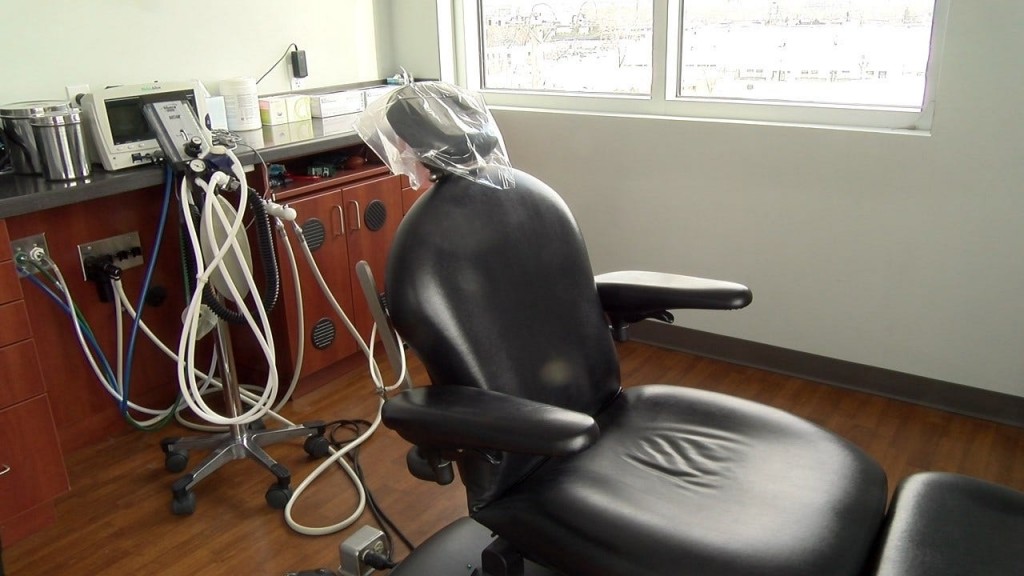
CRANSTON, R.I. (WLNE) — The dentist’s office is commonly the first place teens and young adults get prescribed opioids. With the addiction crisis, dentists and oral surgeons have made big changes in how they handle pain medication.
A trip to the dentist for surgery used to come with a prescription for pain pills. But not anymore.
“I myself and most of my colleagues do not prescribe as many narcotics as we used to,” says Stephen Skoly, DMD.
That conscious choice is all because of the opioid epidemic. Nationwide and in Rhode Island, overdose deaths are trending down. But doctors in all fields still have an even bigger responsibility to prescribe carefully.
“We are certainly aware of the crisis and have modified our treatment accordingly. It’s a challenge,” says Dr. Skoly.
Skoly, who has a practice in Cranston, says oral surgeons are given guidelines on how to prescribe drugs. Helping patients manage their pain is a large part of providing the best quality care but in the last ten years or so, that’s moved away from sending patients to the pharmacy.
“We are not giving opioids. Whether it be vicodin, any of the hydrocodones, percocet, as a first line at all,” says Skoly.
That’s especially true when it comes to wisdom tooth surgery. A lot of the time those patients are more vulnerable.
“Wisdom tooth surgery is one of the most common things we do and also importantly it’s one of the first experience an adolescent will have with narcotics. So we start our treatment with an anti inflammatory,” he says.
Health care groups are also making similar changes. United health care has set a limit on opioid prescriptions written by dentists for people under 19. Those patients will now only get 3 days worth of medication.
© WLNE/ABC 6 2019