Tracking the opioid crisis in real-time
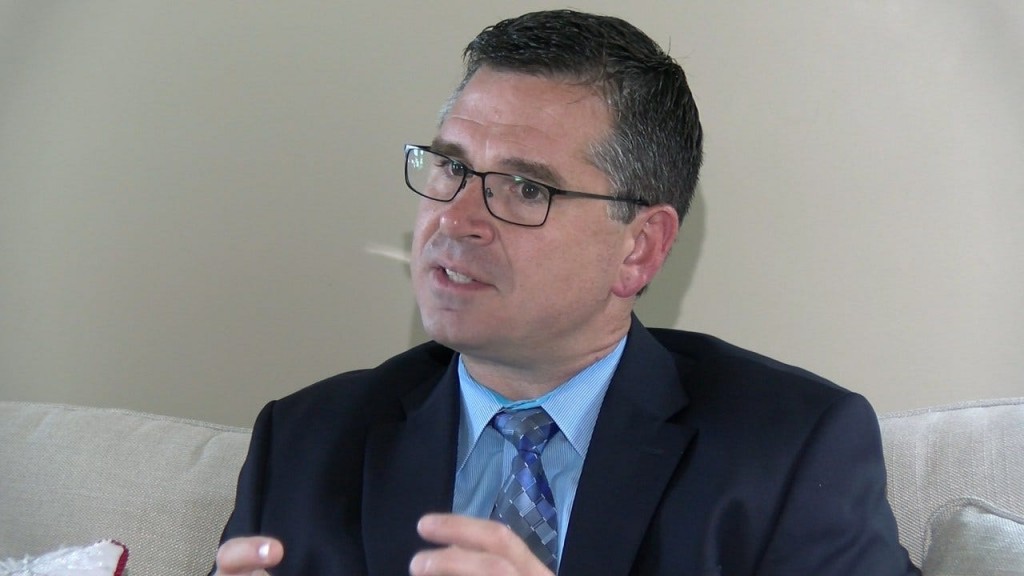
Roger Williams University Criminal Justice Professor Sean Varano has created a real-time overdose tracker that is now being used in 27 Plymouth County police departments.
"What I think we are trying to do is really transform police culture, to say yeah we do actually have a role in public health,” said Varano.
The system tracks fatal and non-fatal overdoses allowing police and public health officials to closely monitor the opioid crisis.
"The black box of the overdose problem is how many overdoses that are non-fatal overdoes occur that we never learn of because we don’t traditionally have the surveillance tools in process to track them,” said Varano.
Since January, roughly 1000 overdoses have been tracked in Plymouth County. It is important to note that a big part of the work with the system there is to provide outreach services for addicts to prevent as many deaths as possible.
"We’re going to do our best to respond to those events not with handcuffs but with access to services. So, none uniformed officers will respond within 24 to 48 hours with a recovery specialist solely with information to give to that individual or their family to say here’s the options that you have,” said Varano.
One thing Varano says they’ve already learned through the system is that more than 40 percent of overdoses in Plymouth County happen in neighboring communities.
Varano says he wants this system to serve as a model. He’s hoping the database can expand to other areas in the future.
(C) WLNE 2017