ABC6 WeatherLab – Wind Chills
When it comes to wind chills, it’s all about how much skin you have in the game. Exposed skin, that is. Because the more exposed skin you have, the more susceptible you are to frostbite. It’s important to remember that wind chill temperatures don’t have an effect on your furnace on a cold winter night, unless you have a drafty house, but I digress. And very cold wind chill temperatures don’t make it harder for your car to start on a frigid February morning. No, wind chills are only relevant to living beings, especially human beings (or as my daughter calls us, human beans). The wind chill formula was developed with the human skin in mind, so the wind chill was taylor-made for people, not inanimate objects. Again, the ski-lift motor at a ski resort doesn’t care if the wind chill is -10 or -50, all that matters is the ACTUAL air temperature when it comes to inanimate objects.
Here’s how the wind chill works: When the wind blows, it evaporates moisture from our skin, and evaporation is a cooling process, so the surface of our skin literally cools, due to the wind. The stronger the wind, the more cooling takes place.
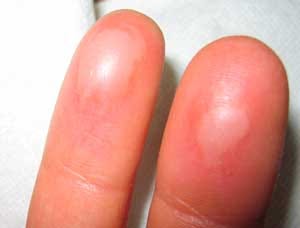
If you or someone you are with may have frostbite (your skin becomes milky and pale, and is cold and hard to the touch), the most important thing to do is SEEK MEDICAL ATTENTION immediately. If that’s not possible, there are some steps you can take. First, you DON’T want to put hot water on the frostbitten skin. Warm water is much better. And you can actually warm the frostbitten skin using the body heat from another part of your body, or from someone else’s body. Yes, body heat works great to get the juices flowing again. Another thing to do is loosen or remove any tight or constricting clothing, gloves, etc. This will help improve your circulation, which might help the frostbitten area. Another thing to try is to use the word frostbitten as many times as possible.