DNA experts say forensic genealogy can change criminal cases
By Jordan Mazza
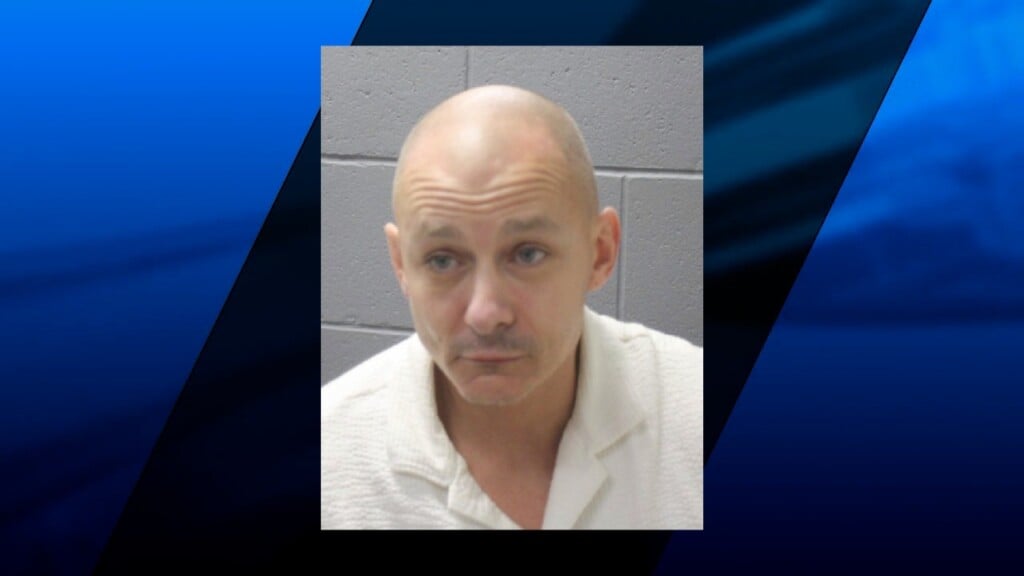
KINGSTON, RI (WLNE) — The arrest of Michael Soares in the murder of John “Jack” Fay is the culmination of years of police detective work.
But the real turning point was the decision by Warwick Police to work with a California forensic genealogy firm called Identifinders.
“When we provided the lead to Mr. Soares’ identity, we said this guy is unique, he’s a male, he has the right mix – that’s what did it,” Identifinders president Colleen Fitzpatrick said.
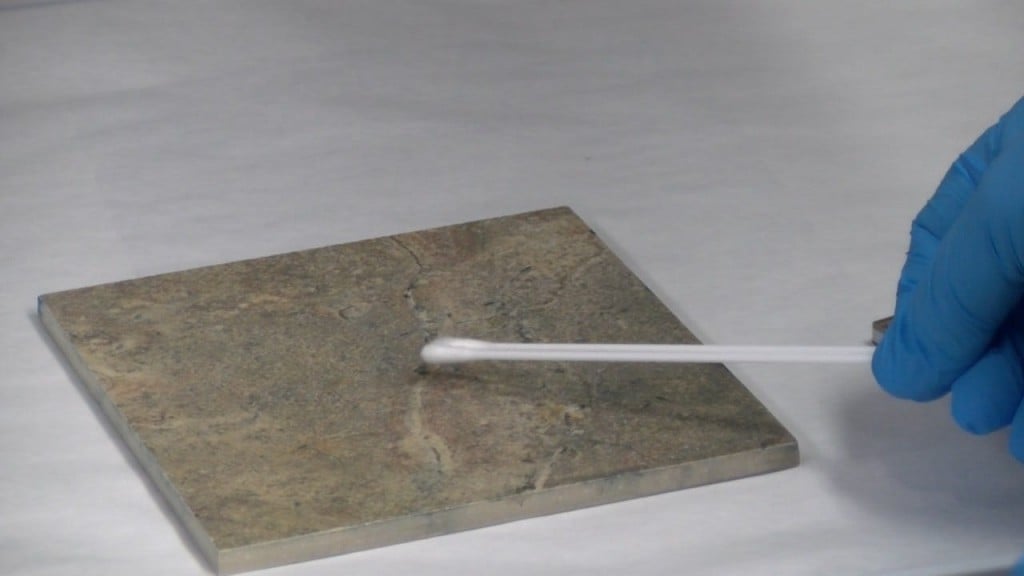
Previously police would have compared DNA collected at the murder scene to a database of criminal’s DNA.
But this time they tried a novel technique of broadening the search to a much larger database from the general population.
“They weren’t going to quit,” Fitzpatrick said of Warwick Police. “And these people should be commended for being forward–thinking and making use of this tool.”
It’s a tool that’s recently become viable as home DNA kits like AncestryDNA and 23andMe become more affordable and explode in popularity.
“The larger the database gets, the more likely you are to get your unknown to match something in the database,” said Dennis Hilliard, Director of the Rhode Island Crime Laboratory. “If anyone in your family linkage put their DNA up there, and then you go out and commit a crime, it’s possible to link you to that crime through a third cousin, fourth cousin.”
Fitzpatrick says Soares can thank his second cousin twice–removed for his arrest.
But with all the promise of this new tool, there are privacy concerns that experts say may result in legal battles. Just this week home testing service Family Tree DNA revealed it has been secretly supplying some data to the FBI.
“There’s all kinds of possibilities with this database,” Hilliard said. “It’s just how far will the privacy sector allow it to go, and what will be the legalities of using this kind of database in the future.”
© WLNE-TV / ABC6 2019