RIEMA: Clear snow from roofs, safety first
The Rhode Island Emergency Management Agency (RIEMA) is urging Rhode Islanders to clear the ice and snow from their roods before the wintry mix that’s expected Saturday afternoon into Sunday.
The storm, which is expected to bring light snow that will slowly change to freezing rain, is concerning officials since it will be adding more weight to already heavy layers of snow—particularly on roofs.
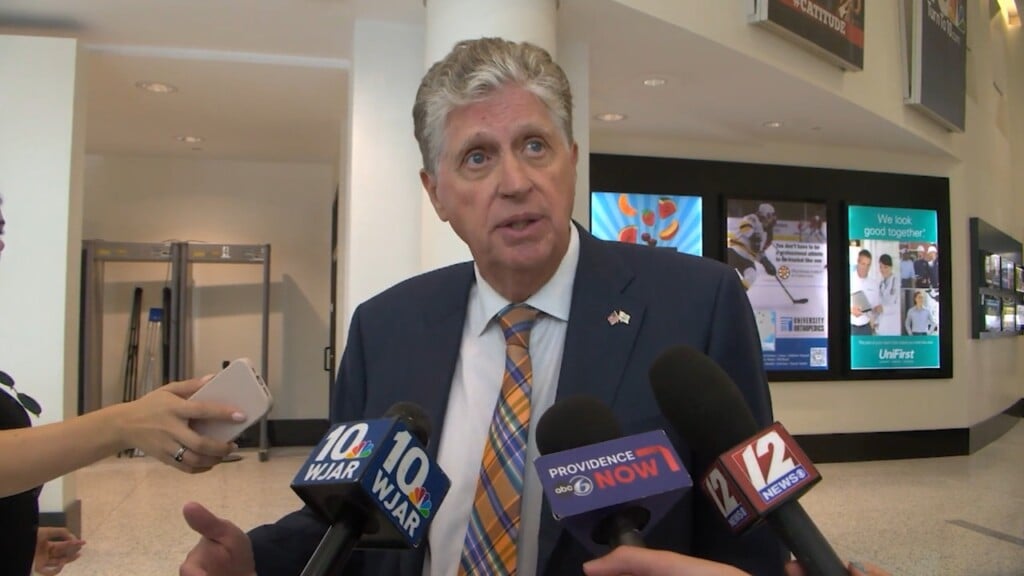
“My primary concern in winter weather is Rhode Islanders’ safety,” Governor Gina Raimondo said. “Please be aware of all the signs that signal a roof that is about to collapse. Remember that it is best to hire a professional for rooftop snow removal in order to prevent injuries.”
“Given that more than 50 inches of snow have accumulated in
RIEMA also urges that residents and businesses who will be removing snow should be aware of the hazards and focus on safety.
Director of Health, Michael Fine, MD, says some concerns are falling off of roofs, catching hypothermia, overexertion causing heart attacks, and snow blower injuries.
To safely remove snow from roofs, the Office of the Governor, RIEMA, HEALTH and OSHA recommend the following tips:
Tips for Residents:
- Hire a professional. Licensed and insured roof contractors are the best source of professional snow removers
- For roof snow removal, use a snow rake with a long extension arm that will allow you to remove the snow while standing on the ground. Snow rakes are available at most hardware stores
- Don’t use a roof rake while on a ladder and don’t attempt to scale your roof to remove snow
- If you must use a ladder, make certain that the base is securely anchored.
- Roof drainage systems should be kept clear to minimize the risk of future roof ponding in the event of subsequent heavy snow melting. This is especially important for flat roofs
- Make certain not to contact electrical wires
- Don’t attempt to clear snow from your roof during periods of strong winds
- Snow removal equipment meant for pavement should never be used on the roof since they can damage the roof cover system
- When using products, such as ROOFMELT, read all manufacturer’s warnings and product safety information carefully. These products can be harmful to skin and eyes if used incorrectly
- “When in doubt, stay out, and evaluate” If you feel that your roof is in danger of collapsing, get out of your house and contact your local building commissioner or a roof contractor
Tips from OSHA for Businesses:
- When possible, use snow removal methods that do not involve workers going on roofs.
- Evaluate loads exerted on the roof or structure (e.g., total weight of snow, workers and equipment used), compared to the load limit of the roof
- Require that workers use fall-protection equipment
- Ensure that workers use ladders and aerial lifts safely
- OSHA standards require employers to evaluate hazards and protect workers from falls when working at heights of four feet or more above a lower level or 6 feet or more for construction work
- For more detailed information on safely removing snow from rooftops and other elevated surfaces, please see information available at: http://www.osha.gov
How to Recognize Signs of a Potential Roof Collapse:
- Sagging roofs
- Severe roof leaks
- Cracked or split wood members
- Bends or ripples in supports
- Cracks in walls or masonry
- Sheared off screws from steel frames
- Sprinkler heads that have dropped down below ceiling tiles
- Doors that pop open
- Doors or windows that are difficult to open
- Bowed utility pipes or conduit attached at ceiling
- Creaking, cracking or popping sounds
In addition, remember to shovel out nearby fire hydrants and storm drains. Offer to assist elderly family and neighbors with shoveling and snow removal. The elderly or those with functional needs seeking assistance with shoveling should contact Serve Rhode Island at (401) 331-2298. Please note that Serve RI will not assist with removing snow from roofs.
(C) WLNE-TV 2015